


How much does it cost to give birth in Argentina in 2026
Clinic and doctor, neonatal care as the main risk, housing, flights, living costs, documents and support: three budget scenarios for 2.5–3 months and how much to keep in reserve.

Video version · 3:38
Сколько стоит родить в Аргентине в 2026: реальный бюджет 13–35 тыс. $
Chapters · 10
In short
For an uncomplicated birth in a private clinic in Buenos Aires, a family of two adults usually spends between US$13,000 and 35,000 on a 2.5–3-month trip, depending on the clinic, housing and level of support. The clinic and doctor account for US$3,000–10,000; the rest is housing, flights, living costs, documents and support. The main financial risk is neonatal care and complications: they are almost never in the base contract and are not covered by travel insurance, so you need a separate reserve on top. You can model your own case in our budget calculator.
Clinic and doctor
- Uncomplicated vaginal birth in a private clinic: about US$3,000–6,000 including the doctor’s fee; in premium clinics with a private room, up to US$8,000–10,000.
- A C-section usually costs 20–50% more than a vaginal birth; you get an exact figure after a consultation.
- Separate lines: midwife and anaesthetist fees, the epidural, tests and scans before the birth, the paediatrician after discharge.
- Exchange rate and inflation. Some clinics quote in pesos, others in dollars. Ask for a written, dated quote with a validity period; payment in US dollar cash is still common.
What to compare in contracts — see “Where to give birth in Buenos Aires”.
Neonatal care and complications: the main risk
If your baby needs the neonatal ICU, you pay for every day, and a week there can cost more than the birth itself. The same applies to a premature birth or complications for the mother (intensive care, a second operation).
- Ask whether the first day or days of neonatal care are in the contract: some clinics include a limited period — IMO, for example, used to include intensive care for the first 24 hours.
- Travel insurance generally does not cover childbirth or the newborn — see “Health insurance during pregnancy”.
- Keep a separate reserve of US$5,000–10,000 available immediately (a card with a high limit, cash, a fast transfer), and do not mix it with your living budget.
Housing
Families usually rent a furnished temporary apartment (alquiler temporario) for 2.5–3 months, 10–20 minutes from the clinic. Expect from US$1,000 a month for a small flat in Palermo or Recoleta plus expensas; with the agency fee (in temporary rentals typically about 10% of the total for the whole term), three months usually come to US$3,000–6,000. On top of that, a deposit — usually one month’s rent — is due at check-in. How to work out the full cost — see “Renting an apartment in Argentina: rent, expensas and the 10% agency fee”. For long-term residential leases in Buenos Aires City, Law 5859 bans charging the commission to the tenant.
Flights and living costs
- Flights from Moscow or Almaty with a connection: about US$1,200–2,500 return per adult in economy, more in high season or when booked late. Choose a changeable fare — your return date depends on the baby’s documents.
- An infant ticket for the return is usually about 10% of the adult fare plus taxes.
- If your husband travels separately — for the birth or later — that is another one-way or return ticket.
- Living costs: groceries, transport, phone, pharmacy, baby items — about US$700–1,200 a month for the family.
Documents and fees
Figures as of October 2026 (official rate around 1,500 pesos per US dollar):
| Item | Amount |
|---|---|
| Birth registration | free |
| Baby’s first DNI (before 6 months) | free |
| Baby’s passport: regular / express / urgent | 100,000 / 200,000 / 330,000 pesos |
| CTPCBA certification of one sworn translation | 33,000 pesos (urgent 38,000), plus the translator’s fee |
| Temporary residence, per parent (non-MERCOSUR) | 100 UMSM ≈ 100,000 pesos |
| Precaria renewal | 10 UMSM ≈ 10,000 pesos |
| Foreigner’s DNI, per parent | 20,000 pesos |
Add the apostille on the birth certificate, your home country’s consular fees and translations for the consulate. In total, a family usually spends US$300–800. The order of steps is in our guide “Step by step from arrival to the parents’ DNI”.
Support services
Russian-speaking support on the market ranges from US$1,500 to 8,000+, depending on what is included. Our packages: Basic — US$2,900, Comfort — US$4,900, Premium — US$8,400; the clinic, doctor and government fees are always paid directly. What each includes — see “Basic, Comfort or Premium”.
Budget scenarios
Estimates for two adults over 2.5–3 months, uncomplicated birth, October 2026:
| Item | Economy | Mid-range | Premium |
|---|---|---|---|
| Clinic and doctor | US$3,000–4,500 | US$4,500–7,000 | US$6,000–10,000 |
| Housing | US$3,000–3,500 | US$3,500–4,500 | US$4,500–6,000 |
| Flights (2 adults + infant) | US$2,500–3,500 | US$3,000–4,500 | US$3,500–6,000 |
| Living costs | US$1,800–2,400 | US$2,400–3,000 | US$3,000–3,600 |
| Documents and translations | US$300–500 | US$400–700 | US$500–800 |
| Support | US$2,900 | US$4,900 | US$8,400 |
| Total | ≈ US$13,500–17,300 | ≈ US$18,700–24,600 | ≈ US$25,900–34,800 |
| Reserve for neonatal care and complications | + US$5,000–10,000 on top | + US$5,000–10,000 on top | + US$5,000–10,000 on top |
If the mother flies alone and her husband comes only for the birth, flights and part of the living costs are lower. For a C-section or twins, plan for the top of the clinic range and a larger reserve.
Common mistakes
- counting only the clinic and forgetting housing, living costs and the baby’s return ticket;
- skipping the neonatal reserve “because the pregnancy is going well”;
- signing a peso contract with no price validity date;
- buying non-refundable return tickets before the baby’s passport is ready;
- planning a free birth in a public hospital: since 2026, national hospitals require prepayment from foreigners without permanent residence for scheduled care.
What to do before departure so the budget holds — see “How to prepare for birth in Buenos Aires”.
How we help
In a consultation we calculate a budget for your dates and departure city and request current clinic prices. If you would like us to handle all the organisation — from housing to the parents’ documents — have a look at the Premium package.
Frequently asked questions
How much does it cost in total to give birth in Argentina in 2026?
For an uncomplicated birth in a private clinic in Buenos Aires, a family of two adults usually spends between US$13,000 and 35,000 on a 2.5–3-month trip. The clinic and doctor account for US$3,000–10,000; the rest is housing, flights, living costs, documents and support.
How much does a birth in a private clinic in Buenos Aires cost, and how much more is a C-section?
An uncomplicated vaginal birth in a private clinic is about US$3,000–6,000 including the doctor's fee, and up to US$8,000–10,000 in premium clinics with a private room. A C-section usually costs 20–50% more; you get an exact figure after a consultation.
How much should I set aside for neonatal care and complications when giving birth in Argentina?
Keep a separate reserve of US$5,000–10,000 available immediately (a card with a high limit, cash, a fast transfer). Neonatal ICU is paid per day and a week there can cost more than the birth itself, while travel insurance generally does not cover childbirth or the newborn.
How much do the baby's documents and the parents' residency cost in Argentina?
Birth registration and the baby's first DNI (before 6 months) are free, the baby's passport is 100,000 / 200,000 / 330,000 pesos, and temporary residence is 100 UMSM ≈ 100,000 pesos per parent. With the apostille, consular fees and translations, a family usually spends US$300–800 in total.
Sources
- La Nación: clinics, cash payments and neonatal care in packages (2023)
- RENAPER fees from March 6, 2026
- Migraciones: table of migration fees
- CTPCBA: certification fees from September 1, 2026
- El Cronista: official dollar rate, October 10, 2026
- Chequeado: Resolution 1066/2026 on national hospitals
- DNU 366/2025, official text
Checked on October 14, 2026. Rules and prices change; confirm current figures before you travel.
The calculator estimates your budget in a minute: clinic, housing, documents, support.
From apostilles to the baby’s passport and parents’ residency — one PDF.
Message us — a coordinator will reply.
Rule changes, explainers and practical guides on giving birth, documents and moving to Argentina.
How we check our content →
Materials provide general navigation and do not replace individual legal, medical or tax advice.
Read next
All articles →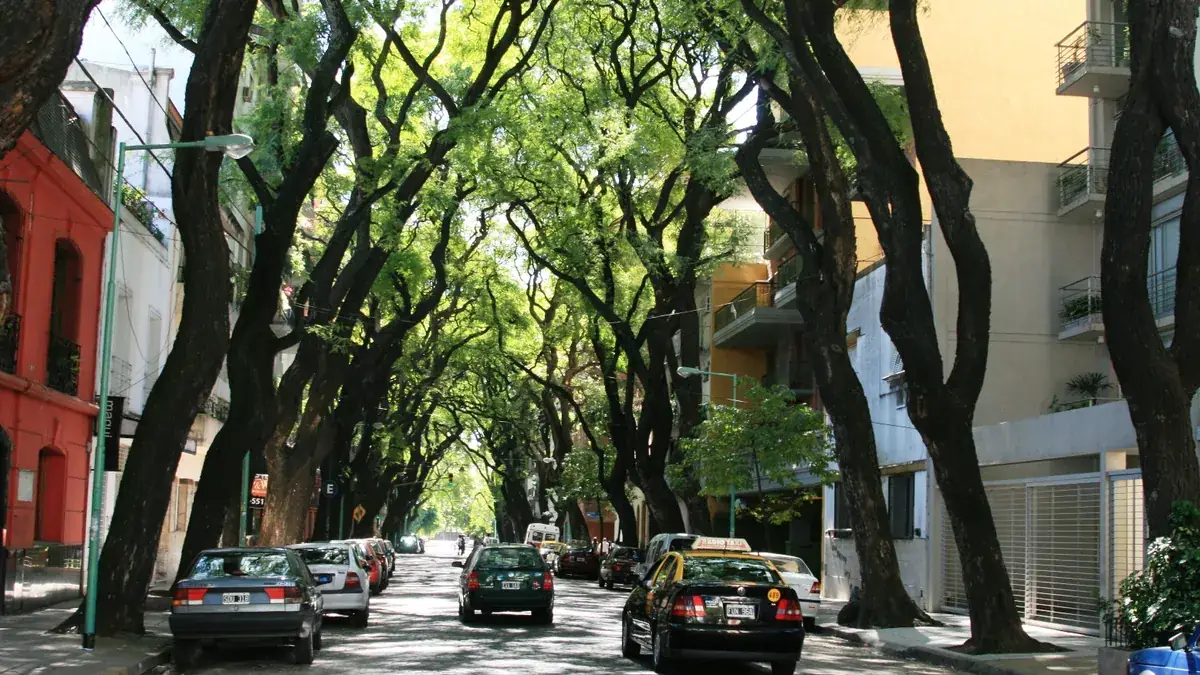 RelocationHow to prepare for birth in Buenos Aires: the flight, the fit-to-fly note, your records and first days
A week-by-week plan: when to fly and what airlines require, the fit-to-fly certificate, your pregnancy record and translations, what to pack and your first days.
 DocumentsYour baby's documents after birth in Argentina: partida, DNI, CUIL, passport and apostille
Birth registration, partida, DNI and CUIL, passport, travel authorization and apostille: the order, timing and 2026 fees, plus what to do if one parent leaves early.
 DocumentsResidence and DNI for parents of an Argentine child after DNU 366/2025
What residence parents of a child born in Argentina get: duration, documents, RaDEX, precaria, DNI, renewal, permanent residence and what to do if one parent has left.