


Your first month in Buenos Aires: a family checklist
What to do in the first 30 days after arrival: phone, SUBE and taxis, money and cards in 2026, doctor and pharmacies, length of stay, daily life while pregnant and the first days with a newborn.
In short
The first month sets the tone for a calm pregnancy and birth. The order is:
- Days 1–3: phone, transport, money.
- Week 1: doctor, clinic, insurance, a pharmacy near home.
- Weeks 1–2: housing for the whole stay — until the birth and 1–2 months after.
- Weeks 2–4: length of stay, documents from home, a plan for the birth and the first weeks with the baby.
Step by step below, with the 2026 details. A printable to-do list is in our 40-step checklist.
What to bring
- A bank card that works abroad. Cards issued by Russian banks (Visa, Mastercard) don’t work outside Russia, and Mir is not accepted in Argentina. You need a card from a bank in another country, or cash.
- US dollars in cash — undamaged, with no writing or tears: exchange offices often refuse damaged notes or give a worse rate.
- Apostilled documents: your marriage certificate and your own birth certificates — needed for the baby’s registration and residency. If you leave business at home, arrange powers of attorney before you go.
- Your pregnancy records and test results — it helps the doctor here; we translate them on the spot.
- A supply of your usual vitamins and medicines in original packaging: local equivalents are sold on a local prescription.
Days 1–3: phone and transport
- Phone. The operators are Claro, Movistar and Personal; prepaid SIMs are sold with a passport, and Claro lets you get a tourist SIM or eSIM online. A Personal SIM bought at a kiosk arrives inactive — you activate it in a Personal store with your passport. Packs with unlimited WhatsApp start at a few thousand pesos a month.
- Keep your home SIM active. Bank and government SMS codes go there — keep it in a second slot or a spare phone.
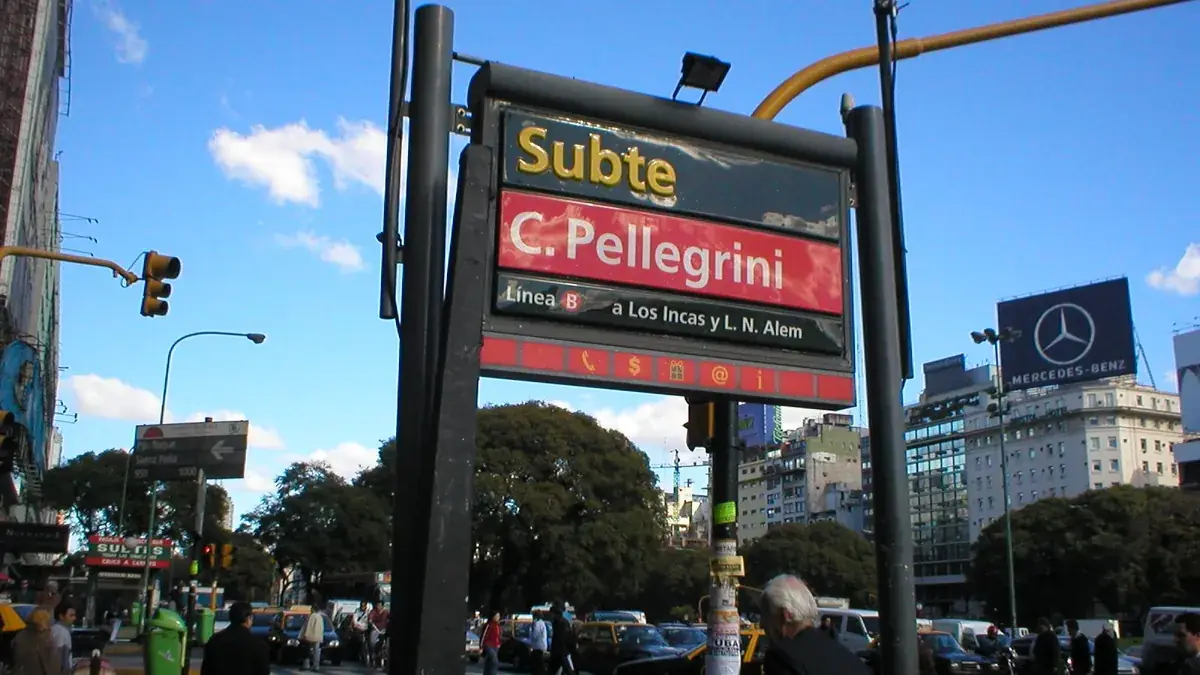
- The SUBE card (about 1,500 pesos) is sold at kiosks, subway stations and SUBE points. Register it online with your passport number: on buses and trains an unregistered card pays a noticeably higher fare, and only a registered card can be blocked if lost. When the balance runs out, the card goes into a small “emergency” negative balance.
- The subway also accepts contactless bank cards and phones, at the registered SUBE fare.
- Taxis. Apps (Uber, Cabify, DiDi) are easier: you see the address and the price upfront. Rush-hour buses are hard going when pregnant — take a taxi to appointments.
Money in 2026
- Exchange rate. After most currency controls were lifted in 2025, the gap between the official, “stock-market” (MEP) and “blue” rates has become small — in 2026 it stays within a few percent. The huge advantage of changing cash “on the street” is gone.
- Foreign cards — Visa, Mastercard and American Express — work almost everywhere. At a terminal or ATM choose to be charged in pesos, not in your home currency: the merchant’s conversion is almost always worse. The final rate depends on your bank — check it on your first purchase.
- ATMs charge a fixed fee per withdrawal on top of your bank’s fee, and the per-transaction limit is low. Withdraw less often and in larger amounts.
- Cash dollars are best changed at exchange offices (casas de cambio) and banks with your passport, not with street changers — there is a risk of counterfeit notes. Exchange offices downtown usually beat the airport. Rent is often paid in cash dollars.
- Transfers to yourself (Western Union and similar services) can be collected in cash with a passport. Compare the final rate and fee beforehand. Western Union has not operated from Russia or Belarus since 2022.
- A local account. Central Bank rules allow a basic peso account to be opened with a passport, but banks review each application and often say no; Mercado Pago does not open accounts with a foreign passport. Realistically, it happens after you get a DNI. For the first months, live on foreign cards and cash.
Week 1: doctor, clinic, pharmacy
- Book an obstetrician and settle on a clinic with its own neonatal unit. How to choose and what to check in the contract: “Where to give birth in Buenos Aires”.
- Emergency numbers: SAME ambulance — 107, police — 911. Save them along with the address of your clinic’s emergency entrance.
- Public hospitals. City hospitals since 2025 and national hospitals since August 2026 bill foreigners without permanent residence for scheduled care (national hospitals require 100% prepayment). Emergency care is free. Keep travel insurance until you have signed with a clinic or taken out a private plan — more in our article on health insurance during pregnancy.
- Pharmacies. Chains (Farmacity and others) stay open late, and every area has an on-duty 24-hour pharmacy (farmacia de turno). Prescriptions in Argentina are issued electronically; a pharmacy will usually not accept a prescription from your doctor at home, and many medicines sold freely back home require a local doctor’s prescription here.
- Contacts for the worst case: hospitals, consulates, interpreters — in our directory.
Weeks 1–2: housing for the whole stay
- If you arrived in short-term accommodation, decide on an apartment for the time until the birth and 1–2 months after by the end of week two. Area, noise, safety and the route to the clinic: “Renting in Buenos Aires”.
- The rule for the birth: 10–20 minutes by taxi to the clinic, an elevator that fits a stroller, air conditioning in summer and heating in winter.
- Work out the full price — with expensas, the agency fee and the deposit — before signing: see “Renting an apartment: what you really pay”.
Weeks 2–4: dates and documents
- Do the maths on dates: your permitted stay, the due date and time for the baby’s documents (usually 3–6 weeks after the birth). Visa-exempt tourists are usually allowed up to 90 days, and the stay can be extended once for the same period at Migraciones — only before it expires. Once it has expired, an extension is no longer possible, and you will pay an exit-permit fee when leaving.
- Check apostilles and translations of your home documents. Translations for Argentine authorities are done by a sworn translator (traductor público).
- Decide in advance how the baby’s name will be written and whether the parents will apply for residency after the birth. What to do and when: “Baby documents after birth”.
Daily life while pregnant
- Heat. From December to February it can be above 30 °C and humid: carry water, walk in the morning and evening, use air conditioning at home.
- Mosquitoes. Buenos Aires sees dengue outbreaks in the warm season. Discuss a suitable repellent with your doctor and use window screens.
- Sidewalks. Tiles are often uneven or loose, and drivers don’t always give way to pedestrians — watch your step and cross at the lights.
- Delivery. Groceries and pharmacy orders are easy through apps (PedidosYa, Rappi); foreign cards are not always accepted there — sometimes it is simpler to pay the courier in cash.
- Queues and transport. Pregnant women and parents with babies are usually offered a seat and let ahead in line — don’t hesitate to ask.
The first weeks with a newborn
- At the maternity ward the baby gets the hepatitis B vaccine within the first 12 hours and BCG before discharge. Newborn screening (the heel-prick test) is also done there. Vaccines on the national schedule are free at public vaccination centres.
- A paediatrician. Find one before the birth: the first check-up after discharge is usually needed within the first week. Ask the clinic which neonatologists see patients privately and speak English.
- Birth registration — often at the Registro Civil office right at the clinic, or at a city office; then the baby’s DNI and passport. Without a passport the baby cannot fly, and the parents’ country will need an apostille and translation of the birth certificate.
- Baby pharmacy: diapers, formula and care products are sold everywhere; medicines for infants require a paediatrician’s prescription.
Safety
- Don’t hold your phone at the edge of the sidewalk or leave it on a café table — phone snatching is the main street risk here.
- At night use a taxi from an app, not a car hailed on the street.
- Carry a copy of your passport and keep the original at home, except on days you go to government offices.
How much to budget for living costs
Relocation guides estimated about USD 1,300–1,900 a month per person including rent and excluding medical care as of September 2026. The clinic and family housing are separate large items; the full calculation is in “How much does it cost to give birth in Argentina in 2026” and in our budget calculator.
How we help
In the Comfort and Premium packages we meet you at the airport, arrange housing in advance, book the doctor and handle the documents. In Premium a personal coordinator is in touch every day and sorts out the practical side of the first month with you — from the SIM card and pharmacy to the paediatrician and the bank.
Frequently asked questions
How much does it cost to live in Buenos Aires per month in 2026?
Relocation guides estimated about USD 1,300–1,900 a month per person including rent and excluding medical care as of September 2026. The clinic and family housing are separate large items.
Is it worth changing dollars on the street in Buenos Aires in 2026?
No. After most currency controls were lifted in 2025, the gap between the official, MEP and blue rates stays within a few percent. Change cash dollars at exchange offices and banks with your passport, not with street changers, since there is a risk of counterfeit notes.
Can I extend my tourist stay in Argentina while pregnant?
Visa-exempt tourists are usually allowed up to 90 days, and the stay can be extended once for the same period at Migraciones, only before it expires. Once it has expired, an extension is no longer possible and you will pay an exit-permit fee when leaving.
Is care free for foreigners in public hospitals in Buenos Aires?
Emergency care is free, but city hospitals since 2025 and national hospitals since August 2026 bill foreigners without permanent residence for scheduled care (national hospitals require 100% prepayment). Keep travel insurance until you have signed with a clinic or taken out a private plan.
Sources
- Argentina.gob.ar: the SUBE card
- Argentina.travel: mobile phone and internet for tourists
- BAE Negocios: official, MEP and blue rates, March 2026
- Argentina Visa Law: daily life in Argentina, September 2026
- Argentina Visa Law: banking for foreigners, September 2026
- Argentina.gob.ar: tourists — length of stay and extension
- Chequeado: charges for foreigners at national hospitals, August 2026
- Infobae: the national vaccination schedule, 2026
Checked on October 14, 2026. Rules and prices change; confirm current figures before you travel.
From apostilles to the baby’s passport and parents’ residency — one PDF.
Message us — a coordinator will reply.
Rule changes, explainers and practical guides on giving birth, documents and moving to Argentina.
How we check our content →
Materials provide general navigation and do not replace individual legal, medical or tax advice.
Read next
All articles → RelocationHow to prepare for birth in Buenos Aires: the flight, the fit-to-fly note, your records and first days
A week-by-week plan: when to fly and what airlines require, the fit-to-fly certificate, your pregnancy record and translations, what to pack and your first days.
 DocumentsYour baby's documents after birth in Argentina: partida, DNI, CUIL, passport and apostille
Birth registration, partida, DNI and CUIL, passport, travel authorization and apostille: the order, timing and 2026 fees, plus what to do if one parent leaves early.
 DocumentsResidence and DNI for parents of an Argentine child after DNU 366/2025
What residence parents of a child born in Argentina get: duration, documents, RaDEX, precaria, DNI, renewal, permanent residence and what to do if one parent has left.