


Renting an apartment in Buenos Aires in 2026: neighborhoods, prices, expensas, agency fee and contract
Where to live around the birth and what it really costs: neighborhoods near the clinics, autumn 2026 prices, expensas, the 10% agency fee on the whole term, the deposit, the contract and how to avoid scams.
In short
- For the birth most families rent a furnished temporary apartment (alquiler temporario) for about 3–4 months: from arrival at 28–32 weeks to 1–2 months after the birth, while the baby’s documents are processed. The contract is signed on a passport — no DNI or guarantor needed.
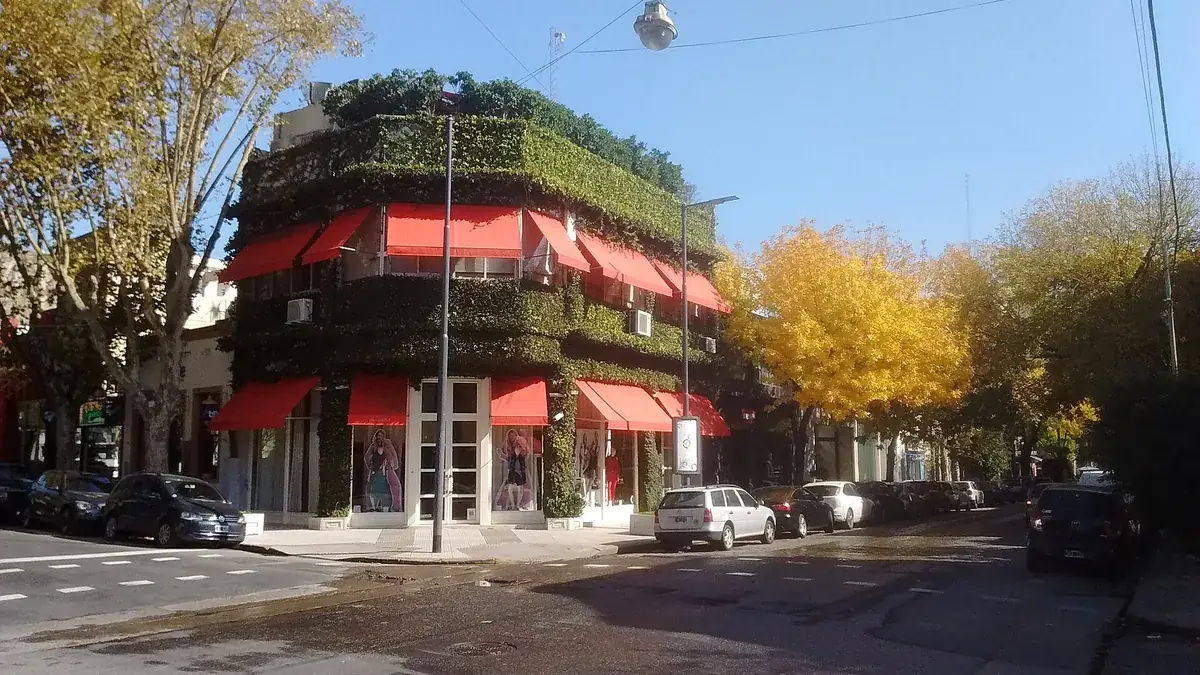
- The main criterion for the area is 10–20 minutes by taxi to your clinic, not “pretty streets”. Most often that means Palermo, Recoleta or Belgrano.
- Rough figures for October 2026: USD 850–1,200 a month for a studio or one-bedroom and USD 1,200–1,800 for two bedrooms as a temporary rental.
- On top of the listed price come expensas (the building’s costs), the agency fee — usually 10% of the rent for the whole term, not of one month, and a deposit. Costs end up about a quarter higher than the listing — see the worked example below.
- Choose the clinic first — “Where to give birth in Buenos Aires” — and work out the whole trip budget in the calculator.
Two kinds of rental: temporary and long-term
| Temporary (alquiler temporario) | Long-term (alquiler tradicional) | |
|---|---|---|
| Term | one month to six months | usually 2–3 years, term is negotiable |
| Furniture | fully furnished, kitchenware, linen, internet | often unfurnished |
| Currency | usually US dollars | usually pesos with indexation |
| Guarantee | usually not needed — deposit and payment upfront | a guarantor with property or a guarantee insurance |
| Tenant’s fee | negotiable, in practice about 10% of the whole term | in Buenos Aires the law forbids charging it to the tenant |
| Best for | the birth, first months, getting your bearings | a long-term move after getting a DNI |
Almost all our clients rent a temporary apartment for the birth: without an Argentine guarantor and a DNI a long-term lease is hard to get. Families come back to long-term leases if they stay in Argentina. The rest of this article is mostly about temporary rentals.
Which neighborhood to choose
| Area | What it is like | Clinics nearby | Noise and safety |
|---|---|---|---|
| Palermo | The largest area and the most popular with foreigners: parks, cafés, plenty of temporary rentals. A 2-ambiente — about 1 million pesos (September 2026). | Sanatorio de la Trinidad Palermo, Sanatorio Mater Dei, Sanatorio Los Arcos | Palermo Soho and Hollywood are loud at night and at weekends; Palermo Chico and Botánico are quieter. In absolute numbers Palermo is among the city’s leaders for theft, mostly petty theft. |
| Recoleta | Calmer and more “grown-up”, with many older buildings and high ceilings. A 2-ambiente — about 900,000 pesos (July 2026). | Hospital Alemán, Clínica y Maternidad Suizo Argentina, Sanatorio Otamendi, Clínica Bazterrica | Noisy on the big avenues (Santa Fe, Pueyrredón, Las Heras). In older buildings check the elevator: it can be tiny, with a manual door. |
| Belgrano | A family area: parks, schools, shopping streets. A 2-ambiente — about 950,000 pesos (July 2026). | Clinics in Palermo are usually 15–25 minutes by taxi; check the route to yours | Avenida Cabildo and the area around Barrio Chino are busy and loud; side streets are quiet. |
| Núñez | New towers with a pool and gym, close to the river and parks. One of the most expensive areas to rent — about 1 million pesos for a 2-ambiente. | Farther from Recoleta; Palermo is 15–25 minutes outside rush hour | Quiet, but on River Plate match days expect traffic and crowds. Expensas in towers with amenities are noticeably higher. |
| Caballito | The city’s geographic centre, residential and usually cheaper than the northern areas; Centenario and Rivadavia parks, subway line A. | Hospital Italiano and Sanatorio Güemes, in neighbouring Almagro | A dense area, also near the top for theft counts. Quieter away from Rivadavia and Acoyte avenues. |
Figures are average asking prices for long-term leases from Zonaprop, without expensas. Sanatorio Finochietto closed its maternity ward in 2026 — don’t choose housing around it. The full list of clinics and what to check in the contract: “Where to give birth in Buenos Aires”.
The route to the clinic: how to check it
- A shortlist of clinics first, then the apartment. The doctor and clinic are finally chosen in person, at interviews in your first days after arrival, so look for housing close to 2–3 suitable clinics. Otherwise it is easy to rent in a “nice area” 40 minutes from the maternity ward.
- Check the route at rush hour (roughly 8–10 am and 5–8 pm) in a maps app: 10 minutes at night easily becomes 30 in the daytime.
- Find the emergency entrance (guardia obstétrica): it is often not the clinic’s main door.
- Install two ride-hailing apps and save the clinic’s address. If labour starts at night, a taxi is usually faster than waiting for friends.
- For emergencies — the SAME ambulance on 107. More on the first days: “Your first month in Buenos Aires”.
The price in the listing
On Zonaprop, Argenprop and at agencies, temporary apartments are usually priced in US dollars per month. Ask right away:
- Are expensas included? Listings often show them on a separate line: “$1,000 + expensas”.
- Are utilities included — electricity, gas, water, internet and the ABL municipal tax. In temporary rentals they usually are, but there may be a cap on electricity (air conditioning in summer is expensive).
- Currency and payment method — cash dollars, pesos at an exchange rate, or a transfer. This changes the real amount.
- Monthly or upfront for the whole term. Temporary rentals often require payment upfront for the whole stay or most of it.
Expensas: what they are and who pays
Expensas are the apartment’s share of the building’s costs: the concierge’s (encargado) salary, cleaning, elevators, hallway lighting, and a pool or gym if there is one. The building manager bills the amount every month.
- How much. The city average is about 340,000 pesos a month (May 2026). In Palermo, a small 3-room apartment without a pool pays about 300,000. A new tower with a pool, gym and security costs noticeably more.
- Ordinary and extraordinary. Under the Civil Code the tenant pays ordinary expensas (day-to-day upkeep) and the owner pays extraordinary ones (facade repairs, a new elevator). Put this in the contract.
- They change every month with inflation and wages. Ask to see the bills for the last 2–3 months.
- In temporary rentals expensas are often included in the price — but only if the contract says so.
The agency fee: 10% of the whole term
The most common unpleasant surprise. In temporary rentals the agency (inmobiliaria) usually charges the tenant 10% of the rent for the entire contract term. It is paid once, at signing.
Example for an apartment at $1,000 a month:
| Rental term | Rent for the term | 10% fee |
|---|---|---|
| 2 months | $2,000 | $200 |
| 3 months | $3,000 | $300 |
| 4 months | $4,000 | $400 |
| 6 months | $6,000 | $600 |
Good to know:
- The fee in temporary rentals is negotiable. The law does not cap it; 10% is market practice. Ask before the viewing: how much, on what amount, and whether VAT (IVA) is included.
- Extend — pay again. If the agency draws up a new contract for an extension, a fee is usually charged on it too. So set the term with a margin from the start: the birth plus 1–2 months for the baby’s documents.
- Leaving early does not refund the fee. And by law the owner may claim another 10% of the remaining rent unless the contract says otherwise.
- Long-term residential leases in Buenos Aires work differently: city law 5859 forbids charging the fee to the tenant — the owner pays it. If you are asked for honorarios on such a lease, ask questions.
Deposit
Usually one month’s rent; in temporary rentals often in dollars. It is returned when you leave, minus damage and unpaid bills. The contract should state the amount, currency and when it will be returned — otherwise disputes are hard.
What it adds up to: a 3-month example
An apartment at $1,000 a month + expensas of about $150:
| Item | Amount |
|---|---|
| Rent for 3 months | $3,000 |
| Expensas for 3 months | ~$450 |
| 10% fee on $3,000 | $300 |
| Total costs | ~$3,750 |
| Deposit (refundable) | $1,000 |
| Cash needed at move-in if paid upfront | ~$4,750 |
Costs come to about a quarter more than the listed price, and at move-in, with the deposit, you need almost one and a half times the rent. Estimate your housing and birth budget with the calculator.
How renting works, step by step
- Dates and area. From arrival to the birth plus 1–2 months after. The area — 10–20 minutes by taxi from your clinic.
- Search. Zonaprop, Argenprop, temporary-rental agencies, Airbnb (more expensive, but no agency fee). The best options go in 1–3 weeks; start a month ahead.
- Questions before viewing. Price with or without expensas, what is included, the fee and on what amount, the deposit, payment method.
- Viewing — in person or by video. Check water, gas, heating and air conditioning, street noise, internet speed, the elevator (important with a stroller).
- Reservation (seña / reserva). A small amount is often requested to take the apartment off the market. Get a receipt and ask whether it counts toward payment.
- Contract. With your passport — no DNI needed. It should list the parties, address, term, amount and currency, what is included, the deposit, early-exit terms and an inventory.
- Payment and move-in. Rent, deposit and fee — against a receipt (recibo). On move-in, take photos and video of the apartment and send them to the owner.
- Move-out. Give notice, hand over the keys against the inventory, get your deposit back.
What you can put in the contract
Since December 2023, DNU 70/2023 has repealed the rental law, and terms are freely negotiated:
- Currency — pesos or dollars; you must pay in the contract currency.
- Term — any; if none is stated, 2 years for housing and local custom for temporary rentals. Set the term with a margin in case of a late birth or delayed documents.
- Indexation — by any agreed index in the contract currency.
- Early termination — the tenant may leave at any time by paying 10% of the remaining rent, unless the contract says otherwise.
For long-term leases owners usually ask for a guarantee — a guarantor who owns property in Buenos Aires or a guarantee insurance (seguro de caución). Temporary rentals work with a deposit and payment upfront. On long-term residential leases in the City of Buenos Aires, law 5859 forbids charging the agency fee to the tenant; in temporary rentals it is negotiable and usually 10% of the whole term.
Checklist before signing
- Full monthly amount: rent + expensas + utilities.
- Fee: percentage, on what amount, with or without IVA.
- Deposit: amount, currency, return date.
- A term with a margin after the birth, and extension terms.
- Who pays extraordinary expensas and appliance repairs.
- Inventory, move-in photos, receipts for every payment.
Safety
The northern areas of Buenos Aires are generally calm to live in, but the main risk is street theft: a phone snatched from your hand, a bag on a café table, pickpockets on the subway and buses. What helps:
- A building with a concierge (encargado) or security, a video intercom, a double entrance door.
- Not a ground floor with street-facing windows; a well-lit street between the subway or bus stop and your door.
- Don’t hold your phone at the curb or leave it on a terrace table.
- At night don’t walk around the big train stations (Retiro, Constitución) or take shortcuts through unfamiliar blocks — take a taxi door to door.
- Street-level statistics are on the city’s official crime map (Mapa del Delito). Keep in mind that busy areas always show more incidents in absolute terms.
Noise and daily life with a newborn
- Frente or contrafrente. A street-facing apartment (frente) is brighter but louder; one facing the inner courtyard (contrafrente) is quieter. With a baby, quiet usually matters more than the view.
- Avenues and buses. On the big avenidas buses run almost around the clock. Ask about double glazing.
- Nightlife. Palermo’s bars stay open late, especially Thursday to Saturday. View the apartment in the evening or ask for an evening video.
- Construction. Ask the owner about renovations next door and building sites nearby — noise from 8 am on weekdays.
- Climate. Summer (December–February) is hot and humid — you need air conditioning in the bedroom; winter (June–August) is cool — check the heating.
- Elevator and stroller. An elevator that fits a stroller and no steps at the entrance matter more than you think before the birth.
- A washing machine (lavarropas) in the apartment: older buildings may only have a shared laundry room, or none at all.
How to avoid scams
- Don’t prepay before a viewing — in person or by live video call, with the street and the entrance in the frame.
- Check that the contract is signed by the owner, their representative under a power of attorney, or a CUCICBA-licensed agent.
- Pay in a traceable way and get a receipt (recibo) for every payment. On Airbnb and similar platforms, pay only inside the platform.
- A suspiciously low price in Palermo or Recoleta, pressure (“three other people want it”) and a request to pay a “reservation” to someone else’s card are reasons to stop.
- On move-in, take photos and video of the apartment and send them to the owner — this protects your deposit.
Pitfalls
- A “cheap” apartment with expensive expensas ends up costing more than the one next door.
- The fee comes as a surprise at signing — ask before the viewing.
- A short term with “we’ll extend later” — the owner may raise the price or rent it to someone else right around your due date.
- No elevator, or a third floor by the stairs — with a newborn you feel it immediately.
Scenarios
- The mother arrives alone, the husband later. The apartment should be close to the clinic, in a building with a concierge; keys and contact with the owner sorted before arrival. How we build that plan: “Mom-to-be, you are not alone”.
- The baby comes early or late. Set the rental term with a margin from the start: extending through an agency usually means a new fee and the risk that the apartment is already let.
- Travelling with a pet. Many temporary rentals don’t accept animals — start searching earlier and allow more time.
- Staying in Argentina. Once you have a DNI you can move to a long-term lease: you will need a guarantee, and the contract is more often in pesos with indexation. On the parents’ documents: “Parents’ residence and DNI”.
- Working out the budget. Housing is the second-largest item after the clinic: see “How much does it cost to give birth in Argentina in 2026”.
How we help
We find an apartment near your clinic, work out the full cost with expensas and the fee in advance, check the contract and show you the apartment by video before you fly. Housing search is included in the Comfort and Premium packages; with both you are met at the airport and driven to the door, and Premium adds a personal coordinator every day. There is also a separate Housing search service.
We find housing near your clinic and calculate everything upfront: rent, expensas, fee and deposit.
Frequently asked questions
Which Buenos Aires neighborhood should I rent in for a birth?
The main criterion is 10–20 minutes by taxi to your clinic, not pretty streets. The article compares Palermo, Recoleta, Belgrano, Núñez and Caballito; look for an apartment close to 2–3 shortlisted clinics, because the doctor and clinic are finally chosen in person after arrival.
How much does it cost to rent an apartment in Buenos Aires for a birth?
Rough figures for October 2026: USD 850–1,200 a month for a studio or one-bedroom and USD 1,200–1,800 for two bedrooms. On top of that come expensas, a 10% agency fee on the whole term and a deposit when you move in.
How long should I rent an apartment in Buenos Aires for a birth?
Usually about 3–4 months: from arrival at 28–32 weeks to 1–2 months after the birth, while the baby's documents are processed. Set the term with a margin from the start: extending through an agency usually means a new fee and the risk that the apartment is already let.
What agency fee do you pay for a temporary rental in Argentina?
Usually 10% of the rent for the entire contract term, not of one month, paid once at signing. For an apartment at $1,000 a month rented for 3 months that is $300. The fee is negotiable, the law does not cap it, and leaving early does not refund it.
How much money do I need at move-in when renting in Buenos Aires?
In the example of a $1,000-a-month apartment with expensas of about $150 for 3 months, costs total ~$3,750, and with the refundable $1,000 deposit you need ~$4,750 at move-in if paid upfront. The contract is signed with your passport, no DNI needed.
How do I avoid rental scams in Buenos Aires?
Don't prepay before a viewing, in person or by live video call. Check that the contract is signed by the owner, their representative under a power of attorney, or a CUCICBA-licensed agent, and get a receipt (recibo) for every payment.
Sources
- Zonaprop: Buenos Aires rental index, September 2026 (PDF)
- iProfesional: areas where a 2-ambiente costs over 1 million pesos, October 2026
- iProfesional: rents in Núñez, Palermo, Belgrano and Recoleta, July 2026
- El Cronista: Buenos Aires crime map by neighborhood, July 2026
- Diario Judicial: DNU 70/2023 and rentals
- Defensoría del Pueblo CABA: no agency fee charged to tenants (law 5859)
- La Nación: expensas in Palermo, June 2026
- Plato: real estate commissions in 2026
- Garantear: who pays agency fees in CABA
Checked on October 17, 2026. Prices and rules change; confirm current figures before you travel.
From apostilles to the baby’s passport and parents’ residency — one PDF.
Message us — a coordinator will reply.
Rule changes, explainers and practical guides on giving birth, documents and moving to Argentina.
How we check our content →
Materials provide general navigation and do not replace individual legal, medical or tax advice.
Read next
All articles → RelocationHow to prepare for birth in Buenos Aires: the flight, the fit-to-fly note, your records and first days
A week-by-week plan: when to fly and what airlines require, the fit-to-fly certificate, your pregnancy record and translations, what to pack and your first days.
 DocumentsResidence and DNI for parents of an Argentine child after DNU 366/2025
What residence parents of a child born in Argentina get: duration, documents, RaDEX, precaria, DNI, renewal, permanent residence and what to do if one parent has left.
 RelocationPowers of attorney before departure and from Argentina: at home, at the consulate or with an escribano
Which powers of attorney to sign before you fly, how to do them at the Russian consulate or before an Argentine notary with an apostille, general vs specific, and what to cover if you stay.