


Your baby's documents after birth in Argentina: partida, DNI, CUIL, passport and apostille
Birth registration, partida, DNI and CUIL, passport, travel authorization and apostille: the order, timing and 2026 fees, plus what to do if one parent leaves early.
In short
A baby born in Argentina gets documents in a strict order: clinic certificate → registration at the Registro Civil → partida de nacimiento → DNI (and with it a CUIL) → Argentine passport → apostille on the partida for the parents' home country. The law allows 40 days for registration, but don't put it off: every later step depends on it. The chain up to the passport usually takes 3–6 weeks; the apostille adds anywhere from a few days to a month. If one parent is leaving early, plan for it before the birth.
The whole route in one table
| Step | Where | When | Cost |
|---|---|---|---|
| Birth certificate (certificado médico de nacimiento) | Clinic | At discharge | Free |
| Birth registration, acta de nacimiento | Registro Civil (often an office inside the clinic) | Within 40 days of birth | Free |
| Baby's DNI, CUIL | Registro Civil / RENAPER centre | Free up to 6 months of age | ARS 0 |
| Argentine passport | RENAPER | After the DNI or together with it | ARS 100,000 / 200,000 / 330,000 |
| Apostille on the partida | Foreign Ministry (TAD) or Colegio de Escribanos | When needed for the home country | TAD fee ARS 4,500 |
The regular, fast-track and urgent passport fees apply from 6 March 2026. Peso fees are revised regularly, so check them before you apply.
Birth registration: who goes and what to bring
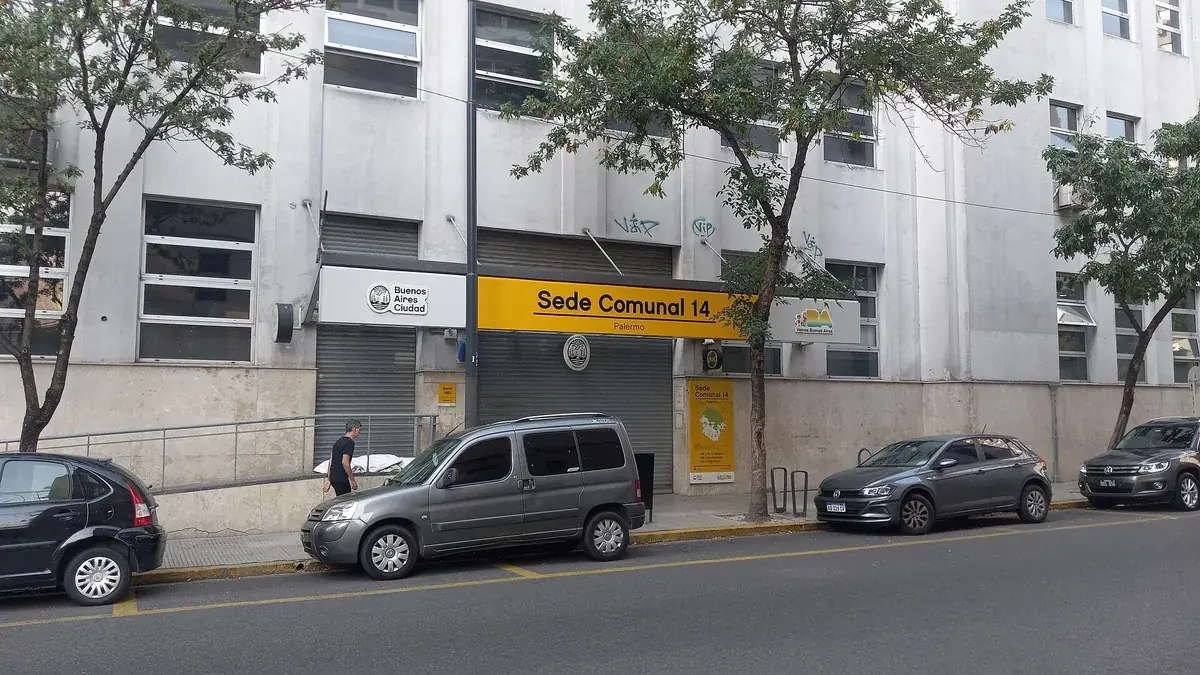
Under Law 26,413, parents register the birth within 40 calendar days. If they don't, the Registro Civil registers the baby on its own initiative within the next 20 days, based on the clinic certificate. After that, registration is only possible through the courts, which takes months.
- Married parents: one of them can go. Bring both passports and the marriage certificate. A foreign marriage certificate needs an apostille and a sworn Spanish translation, so prepare it in advance (see Sworn translation of documents in Argentina).
- Unmarried parents: in Buenos Aires both must attend, because paternity is acknowledged at registration. If the father can't be there, sort it out before the birth.
- Language. Parents who don't speak Spanish attend with a sworn translator (traductor público). The Registro Civil requires it.
- Where. Many clinics have a Registro Civil office on site, so you register there. Otherwise you book an appointment online at one of the city's centres (CDR); you'll need a miBA account.
The surname is chosen at registration. In Argentina a child takes the surname of either parent, or both; if the parents disagree, it is decided by lot. Up to three given names are allowed, and there is no patronymic field. How to handle the patronymic without ending up with different full names in two countries is covered in Patronymics in foreign documents.
Acta and partida: what you actually hold
The acta de nacimiento is the record itself in the Registro Civil book. The partida de nacimiento is a certified extract from it that you take to other offices. You can order a new partida at any time.
- Order 2–3 copies straight away: for the DNI and passport, for the apostille, for the consulate, and a spare.
- The apostille requires a partida with a digital signature. A paper one without it must first be legalized by the Ministry of the Interior, or you request a digital version from the Registro Civil.
- A laminated partida is not valid for official procedures, so don't laminate it.
DNI and CUIL
A newborn's DNI is free up to 6 months of age. The baby must be there to be photographed and to have biometrics taken. A parent attends with their own ID (foreigners bring their passport) and the partida. You apply at the Registro Civil or at a RENAPER centre, booking through Mi Argentina. The finished card is mailed to the address you give or handed over at the office, so give an address where someone will definitely be home.
The CUIL, the social security number, is assigned automatically with the DNI. You don't need to request it, and you can download proof of the number from the ANSES website. You'll need the CUIL for health cover (prepaga or obra social), school and benefits.
The baby's passport and leaving the country
The passport is issued by RENAPER, and the baby must be there in person. As a rule both parents attend; if one can't, a notarized consent from that parent is usually required. Confirm the consent requirements when you book. Fees from 6 March 2026: ARS 100,000 regular, 200,000 fast-track, 330,000 urgent.
Your baby is an Argentine citizen, so Argentina's rules for minors apply when leaving:
- travelling with both parents: the passport plus a partida proving the relationship is enough;
- travelling with one parent: the other parent's authorization is required. It is signed before an Argentine notary (escribano) and legalized by the Colegio de Escribanos, or done in person at Migraciones;
- the simplified RENAPER authorization (ARS 30,000, valid until age 18 or until the passport expires) is only open to parents with an Argentine DNI, so it doesn't work for tourists without residency.
Apostille on the partida for the home country
For Russian, Kazakh and other documents for your child, the partida needs an apostille from Argentina's Foreign Ministry. Russia, Kazakhstan and Argentina are all parties to the Hague Convention, so no consular legalization is needed.
- Via TAD (online): anyone can file, but you need Clave Fiscal level 2 and an Argentine bank account. Tourists usually have neither, so a representative often files instead. The fee is ARS 4,500 per document. In the general queue the ministry quotes up to 20–30 business days. You receive an electronic file.
- Via the Colegio de Escribanos: the notaries' association has delegated authority to issue apostilles. Ask them directly about timing and price.
- An apostille doesn't expire, but the receiving office may ask for a recent extract.
The partida is then translated into Russian according to the rules of the country where it will be used: at the Russian consulate in Buenos Aires or by a notary in Russia. Next steps are in Russian citizenship for a child born in Argentina and A child's SNILS and Russian procedures.
If one parent leaves early
- The father flies out before the birth and you're not married. Argentina lets a father acknowledge an unborn child, before a notary or at the Registro Civil. Without that, he won't appear on the partida, and fixing it later is difficult. Discuss it with a lawyer before he leaves.
- One parent leaves after registration. Before leaving, that parent signs, before an escribano, consent for the baby's passport and authorization for the baby to travel with the other parent. Cover the period and route you actually need in one go.
- A representative collects the documents. No one can apply in your place, but collection and the apostille can be delegated by power of attorney. How to draft one: Powers of attorney before departure.
- The family leaves before the passport is ready. An Argentine citizen can get a passport and DNI later through an Argentine consulate abroad, but it takes longer. It's safer to book flights 4–6 weeks after the birth or pay for the urgent passport.
If you're staying in Argentina
The baby's DNI is the basis for the parents' family-reunification residency: it goes with the application in RaDEX (see Parents' residency and DNI). Keep the DNI address up to date when you move, or official notices won't reach you. Scheduled DNI updates are at ages 5–8 and at 14.
Common mistakes
- the surname is spelled differently in the parents' passports, and the difference carries into the partida;
- not ordering a digitally signed partida, which delays the apostille;
- not apostilling the foreign marriage certificate at home, so the registry won't accept it;
- buying tickets before the passport arrives, or forgetting the travel authorization when only one parent travels;
- laminating the partida.
How we help
We guide the family from birth registration to the apostille: we book the Registro Civil and RENAPER, bring the translator, check name spellings and file for the apostille. It's part of the Baby's documents back home package and of every birth support package; in Premium a coordinator takes the whole process off your hands.
Frequently asked questions
How many days do I have to register my baby's birth in Argentina?
Under Law 26,413, parents register the birth within 40 calendar days. If they don't, the Registro Civil registers the baby on its own initiative within the next 20 days based on the clinic certificate; after that, registration is only possible through the courts, which takes months.
How much does an Argentine passport for a newborn cost, and how long do the documents take?
From 6 March 2026 the passport costs ARS 100,000 regular, 200,000 fast-track or 330,000 urgent, and the DNI is free up to 6 months of age. The chain up to the passport usually takes 3–6 weeks; the apostille adds a few days to a month.
How do I get an apostille on my Argentine-born baby's partida for Russia or Kazakhstan?
A digitally signed partida is apostilled by Argentina's Foreign Ministry via TAD (ARS 4,500 fee, up to 20–30 business days) or by the Colegio de Escribanos. TAD needs Clave Fiscal level 2 and an Argentine bank account, so a representative often files for tourists; no consular legalization is needed.
Can a baby leave Argentina with only one parent?
Yes, but the other parent's authorization is required, signed before an Argentine notary and legalized by the Colegio de Escribanos, or done in person at Migraciones. The simplified RENAPER authorization (ARS 30,000) is only open to parents with an Argentine DNI, so it doesn't work for tourists.
Sources
- Law 26,413 on civil registration (arts. 28–31)
- Buenos Aires City: birth registration (requirements and offices)
- RENAPER: newborn DNI
- RENAPER fees under Resolution 19/2026 (from 6 March 2026)
- Argentine Foreign Ministry: apostille via TAD
- Migraciones: minors leaving the country
- RENAPER: travel authorization for minors
- Civil and Commercial Code (names and surnames, arts. 63–64)
Checked on October 14, 2026. Rules and prices change; confirm current figures before you travel.
Home-country citizenship, the first year, residency renewal — after-birth packages and 10% off for our clients.
From apostilles to the baby’s passport and parents’ residency — one PDF.
Message us — a coordinator will reply.
Rule changes, explainers and practical guides on giving birth, documents and moving to Argentina.
How we check our content →
Materials provide general navigation and do not replace individual legal, medical or tax advice.
Read next
All articles → RelocationHow to prepare for birth in Buenos Aires: the flight, the fit-to-fly note, your records and first days
A week-by-week plan: when to fly and what airlines require, the fit-to-fly certificate, your pregnancy record and translations, what to pack and your first days.
 DocumentsResidence and DNI for parents of an Argentine child after DNU 366/2025
What residence parents of a child born in Argentina get: duration, documents, RaDEX, precaria, DNI, renewal, permanent residence and what to do if one parent has left.
 RelocationPowers of attorney before departure and from Argentina: at home, at the consulate or with an escribano
Which powers of attorney to sign before you fly, how to do them at the Russian consulate or before an Argentine notary with an apostille, general vs specific, and what to cover if you stay.