


SNILS for a child born in Argentina and other Russian procedures, including if you stay here
Why the SNILS won't appear by itself, what to prepare, how a relative can get it under a power of attorney if the family stays in Argentina, and what can be done online.
In short
For a child born in Russia, the SNILS number is opened automatically from civil registry (ZAGS) data. A child born in Argentina has no Russian ZAGS record, so the SNILS is issued on application, and only after Russian citizenship has been recorded. In practice, a SNILS for a child born abroad can only be applied for in person in Russia: at a Social Fund (SFR) client office or an MFC. If the family lives in Argentina and isn't travelling to Russia, a relative does it under a notarized or consular power of attorney. Plenty can be done online from Argentina afterwards, but not this first step.
Why a child needs a SNILS if you live in Argentina
- The child's Gosuslugi: without a SNILS, you can't fully add the child to a parent's profile or file applications for them online.
- Maternity capital: if the child is a Russian citizen, the mother may be entitled to the certificate. That requires the child's data in the SFR system, meaning a SNILS.
- A compulsory health insurance (OMS) policy for visits to Russia, and doctor's appointments, school and kindergarten if you move back.
- Tax deductions for the child, for a parent working in Russia.
A SNILS doesn't commit you to anything: no one pays contributions for the child, and the number simply exists for life.
What must be ready before you apply
- The Argentine partida de nacimiento with an apostille from Argentina's Foreign Ministry. How to get it: Your baby's documents after birth.
- A Russian translation of the partida, certified by a Russian consul or a Russian notary. A translation by an Argentine sworn translator (traductor público) is made for Argentine authorities and isn't enough on its own for Russia, which needs a Russian translation certified under Russian rules.
- Proof of Russian citizenship. For a child born after 26 October 2023, this is the citizenship mark on the translated birth certificate (placed by the consulate or the Interior Ministry) or the child's Russian passport. How to get it: Russian citizenship for a child born in Argentina.
- The parent's Russian passport if a parent applies; if a relative applies, their passport and the power of attorney.
Check that the names of the child and the parents in the translation match the Russian documents letter for letter. A mismatch is the most common reason a number isn't issued. The patronymic is a separate issue: see Patronymics in foreign documents.
Three scenarios
| Situation | How to get the SNILS | Timing |
|---|---|---|
| You move back to Russia or visit | A parent takes their passport, the translated certificate (with the citizenship mark) and the apostilled original to any SFR client office or MFC, regardless of registered address | Same day at the SFR, a few days at an MFC |
| You live in Argentina and have no plans to leave yet | A relative or friend in Russia applies at the SFR under a notarized power of attorney (made at the consulate, or by an Argentine notary with an apostille) | Add time for the power of attorney and for getting the originals to Russia, usually 3–6 weeks |
| You want to do everything online | Gosuslugi has no online application for a first SNILS for a child born abroad; the later steps are available online | — |
If you're staying in Argentina: step by step
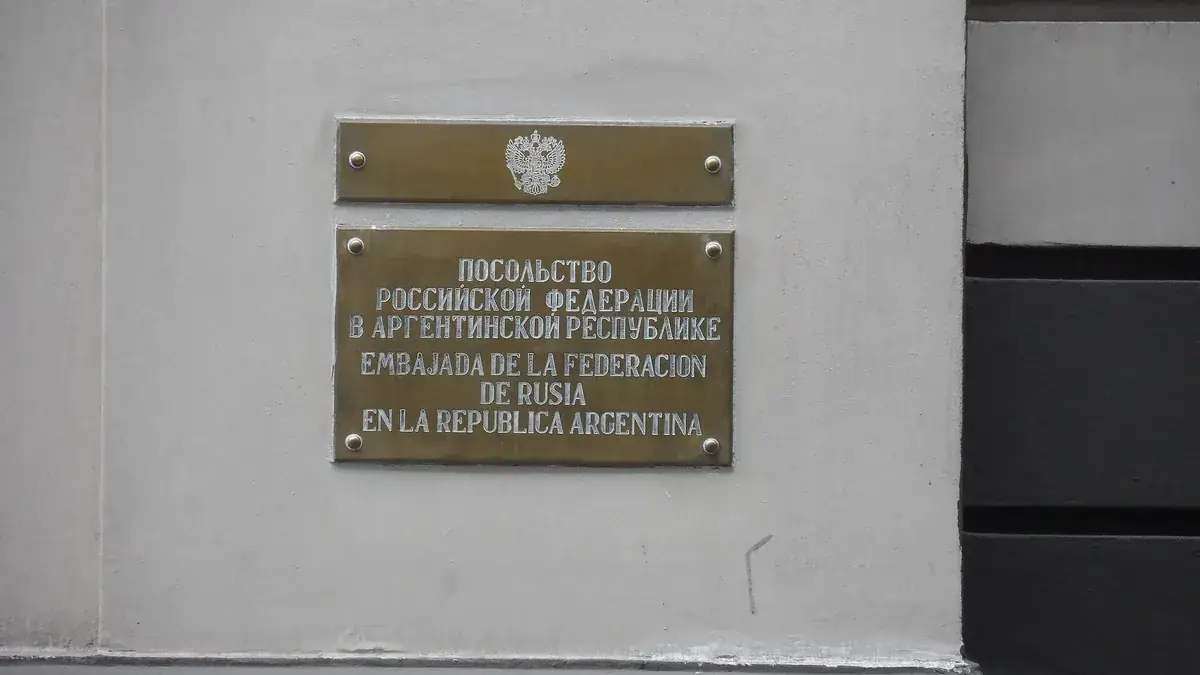
- Record the child's Russian citizenship at the consulate in Buenos Aires. The citizenship mark goes on the Russian translation bound to the apostilled partida, and this bundle becomes the key document for the SFR.
- At the same visit, or a separate appointment, sign a power of attorney for someone in Russia. A consular power of attorney has the same force as a notarized one and needs no apostille. The alternative is an Argentine notary (escribano), but then you need an apostille, a translation and notarization of the translation in Russia, which takes longer and costs more.
- Make a notarized copy of the bundle, or order a second apostilled partida, in case the original gets lost in transit.
- Send the originals by courier: the power of attorney and the translated certificate with the mark. Check which services currently deliver documents from Argentina to Russia and how long they take.
- The representative goes to an SFR client office with their passport, the power of attorney and the child's documents. At a client office the number is usually assigned the same day; at an MFC it takes a few days. They receive a registration notice with the SNILS number.
- Ask for a scan of the notice and save the number. From here on you work online (see section 07).
What the power of attorney must contain
The power of attorney is granted by a parent, as the child's legal representative. The notary or consul will usually ask to see the child's birth certificate, so bring the translated bundle.
- Grantor's details: full name, date of birth, Russian passport, and a statement that they act as legal representative of their minor child (child's full name, date and place of birth, certificate details).
- Representative's details: full name, date of birth, passport, address.
- Specific powers: to represent the child before the Social Fund of Russia and MFCs on registration in the individual (personalized) accounting system, to file applications and forms, and to collect the SNILS notice and any duplicates.
- Worth adding now, so you don't need a second document: health insurance companies (choosing an insurer and receiving the OMS policy), tax authorities (the child's INN), the SFR on maternity capital (if relevant), and the right to submit and collect documents, sign and make corrections.
- Term: state it explicitly, for example 3 years. If no term is stated, the power of attorney is valid for one year.
- Right of substitution: optional, in case the representative falls ill or travels.
More on types of powers of attorney, the consulate and apostilles: Powers of attorney before departure.
What you can and can't do online
| Action | Online from Argentina? |
|---|---|
| First SNILS for a child born abroad | No: in person at the SFR or an MFC (you or a representative) |
| Confirming the child's citizenship | No: a personal visit to the consulate with documents |
| Seeing the child's SNILS, adding the child to your profile | Yes, with a parent's verified account |
| Maternity capital application | Usually yes, via Gosuslugi, once the child's data is in the SFR system |
| OMS policy | Depends on the insurer; a representative with a power of attorney is more reliable |
A verified Gosuslugi account is the key to everything online. If you didn't verify it before leaving, from abroad you can usually do it through the online banking of a Russian bank where you hold an account, or with an electronic signature. Since 1 July 2026 there has been a pilot that lets Russian citizens in 12 countries get a SNILS, verify their identity and obtain an electronic signature locally. Argentina is not on that list.
Benefits and obligations to keep in mind
- The unified child allowance goes to families who permanently live in Russia. If you live in Argentina, don't count on it.
- Maternity capital depends on the citizenship of the child and the mother, not on the place of birth. Check your family's case with the SFR on 8-800-100-00-01 (free within Russia).
- Notice of a second citizenship. The child is a citizen of both Argentina and Russia. Under current rules, a parent files the notice with the Interior Ministry within 60 days of entering Russia. More in the article on the child's citizenship.
Common mistakes
- starting with the SNILS before citizenship is recorded: without proof of citizenship the application won't be accepted;
- sending a partida to Russia without an apostille, or with an Argentine sworn translation instead of a Russian-certified one;
- a power of attorney for "all matters" that never mentions the SFR or the child, which may be refused;
- sending the only original without a copy;
- the surname spelled differently in the translation and in the parent's passport.
How we help
We prepare the apostilled partida, book the consulate for citizenship and the power of attorney, and check name spellings and the wording of powers so the SFR accepts the documents the first time. It's part of the Baby's documents back home package ($290). The whole post-birth route is in Giving birth in Argentina: step by step.
Frequently asked questions
Can I get a SNILS for a child born in Argentina online through Gosuslugi?
No, Gosuslugi has no online application for a first SNILS for a child born abroad. In practice it can only be applied for in person in Russia, at a Social Fund (SFR) client office or an MFC, and only after the child's Russian citizenship has been recorded.
How do we get a SNILS for our child if we live in Argentina and are not travelling to Russia?
A relative or friend in Russia applies at the SFR under a power of attorney made at the consulate or by an Argentine notary with an apostille. Adding time for the power of attorney and getting the originals to Russia, this usually takes 3–6 weeks; at an SFR client office the number is usually assigned the same day.
What documents are needed for a SNILS for a child born in Argentina?
You need the partida de nacimiento with an apostille from Argentina's Foreign Ministry, a Russian translation certified by a Russian consul or notary, proof of Russian citizenship and the applicant's passport. A translation by an Argentine sworn translator is not enough on its own for Russia, and names must match the Russian documents letter for letter.
What should a power of attorney for a child's SNILS contain when we are in Argentina?
It needs the grantor's details as the child's legal representative, the representative's details and specific powers to represent the child before the Social Fund of Russia and MFCs and collect the SNILS notice. State the term explicitly, for example 3 years, since without it the power is valid for one year; an "all matters" power that never mentions the SFR or the child may be refused.
Sources
- Social Fund of Russia: SNILS leaflet, 2026 (RU)
- Social Fund: SNILS for newborns and electronic notice on Gosuslugi (RU)
- Pilot on SNILS and e-signatures for Russian citizens abroad (Resolution No. 752 of 16 June 2026) (RU)
- Confirming a child's citizenship: Law 138-FZ, Decree No. 889 (RU)
- Fundamentals of Legislation on Notaries, art. 38: notarial acts by consuls (RU)
- Argentine Foreign Ministry: apostille via TAD
Checked on October 14, 2026. Rules and prices change; confirm current figures before you travel.
Home-country citizenship, the first year, residency renewal — after-birth packages and 10% off for our clients.
From apostilles to the baby’s passport and parents’ residency — one PDF.
Message us — a coordinator will reply.
Rule changes, explainers and practical guides on giving birth, documents and moving to Argentina.
How we check our content →
Materials provide general navigation and do not replace individual legal, medical or tax advice.
Read next
All articles → DocumentsYour baby's documents after birth in Argentina: partida, DNI, CUIL, passport and apostille
Birth registration, partida, DNI and CUIL, passport, travel authorization and apostille: the order, timing and 2026 fees, plus what to do if one parent leaves early.
 DocumentsResidence and DNI for parents of an Argentine child after DNU 366/2025
What residence parents of a child born in Argentina get: duration, documents, RaDEX, precaria, DNI, renewal, permanent residence and what to do if one parent has left.
 RelocationPowers of attorney before departure and from Argentina: at home, at the consulate or with an escribano
Which powers of attorney to sign before you fly, how to do them at the Russian consulate or before an Argentine notary with an apostille, general vs specific, and what to cover if you stay.