


How to apostille an Argentine birth certificate in 2026: TAD, Colegio de Escribanos or consulate
Apostille for a birth certificate issued in Argentina: getting a digitally signed certificate from the Registro Civil, filing through TAD for 4,500 pesos (20–30 business days) or at the Colegio de Escribanos for 50,100 pesos (up to 5 days), consulates abroad, translation and common mistakes.
In short
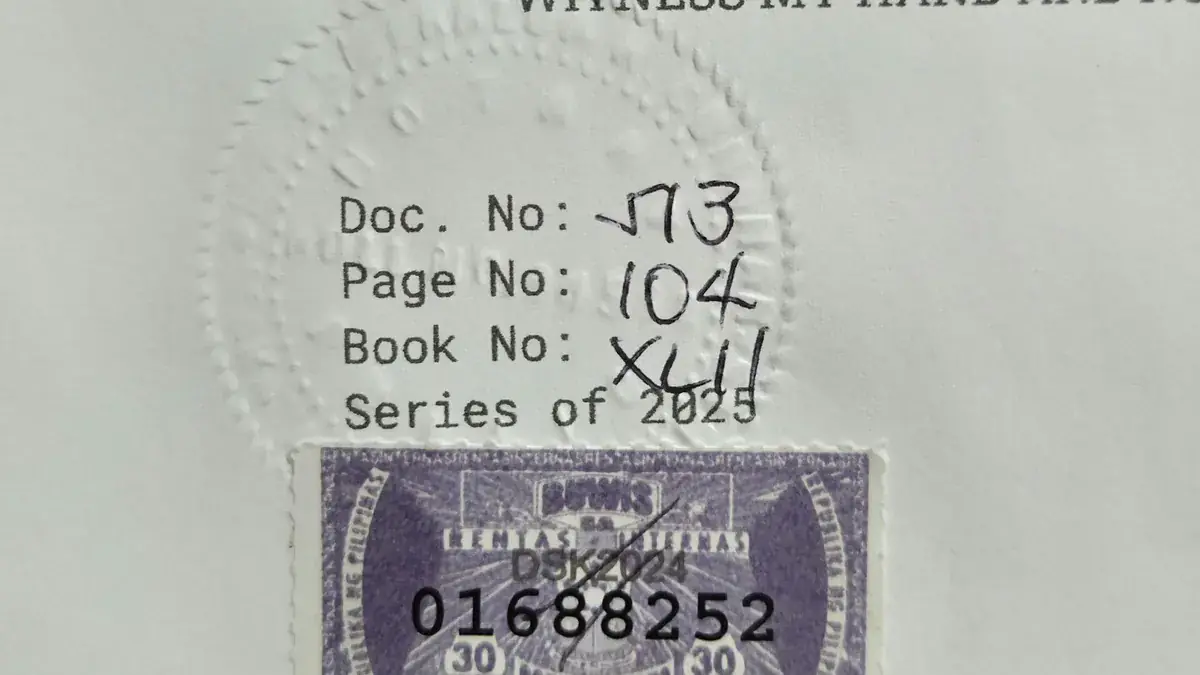
- An Argentine birth certificate (partida or acta de nacimiento) is apostilled by Argentina's Foreign Ministry (Cancillería). Argentina and Russia are both parties to the Hague Apostille Convention, so no consular legalisation is needed.
- There are three routes: online through TAD (4,500 pesos, 20–30 business days), in person at a Colegio de Escribanos (in Buenos Aires City 50,100 pesos, up to 5 business days) and, from abroad, an Argentine consulate.
- Only a certificate with a digital signature can be apostilled directly. Buenos Aires City, Buenos Aires Province, Córdoba, Mendoza and other jurisdictions issue such certificates; a paper certificate with a handwritten signature first needs a digital legalisation by the Ministry of the Interior.
- The apostille arrives as a PDF by email or in TAD and does not expire, but the receiving country may ask for a recently issued certificate.
- After the apostille, the certificate is translated in the country where it will be used.
When you need it
Parents usually apostille the baby's birth certificate to register the birth or citizenship in their home country, for example at the Russian consulate or later in Russia, to add the child to a passport, a residence permit or health insurance abroad, or for school and benefits in another country. If you will use the certificate only inside Argentina — DNI, Argentine passport, residence for the parents — no apostille is needed.
It is worth ordering two or three apostilled copies at once: one for the consulate and one or two for later procedures. Each certificate is a separate apostille and a separate fee.
Step 1. Get a digitally signed certificate
- Buenos Aires City (CABA). The Registro Civil issues digital certificates with a digital signature. For the apostille you need both PDFs: the scan of the record (a file starting with "IF" or the ACTA) and the "Certificado de partida entregada". The Ministry of the Interior is not involved.
- Buenos Aires Province, Córdoba, Mendoza and others. If the registry issued a digitally signed PDF, it goes straight to the apostille.
- A paper certificate with a handwritten signature. First it is legalised online by the Ministry of the Interior; the result is a digitally signed document that is then apostilled.
Do not print and rescan a digital certificate, and do not edit the PDF: the digital signature breaks and the request is rejected. Check the baby's and parents' names letter by letter against the passports before applying.
Step 2. Choose a route
| Route | Who it suits | Cost | Time |
|---|---|---|---|
| TAD (Trámites a Distancia), online | Anyone over 18 with an AFIP/ARCA Clave Fiscal level 2+ and an Argentine bank account linked to it | 4,500 pesos per document | 20–30 business days after payment |
| Colegio de Escribanos, in person | When you need it fast and are in the city; another person can go for you | 50,100 pesos in Buenos Aires City | up to 5 business days |
| Argentine consulate abroad | When you have already left Argentina | consular fee; urgent handling is extra | up to 72 hours after approval |
Fees are revised; check the Cancillería and Colegio pages before paying. TAD fees are not refunded if the document turns out to be the wrong one.
Online through TAD
- Log in to tramitesadistancia.gob.ar with your CUIL and Clave Fiscal.
- Search for "Apostilla" and choose the request for electronic public documents.
- Create one file per document and attach the original PDF — colour, all pages, one document per PDF.
- Sign the online sworn statement and choose Link or Pago Mis Cuentas; an electronic payment voucher (VEP) is generated.
- Pay the VEP from your home banking. The file number appears within 72 business hours; do not pay again if the payment shows as pending.
- When the apostille is issued you get an email; download the file starting with "CE" from TAD. It can be verified on the Cancillería website.
Foreign parents often have neither a Clave Fiscal nor an Argentine bank account in the first weeks. In that case the Colegio de Escribanos is usually easier — or the procedure can be started by someone who has both, since TAD allows another person to file.
In person at the Colegio de Escribanos
In Buenos Aires City: book an appointment on the Colegio website (slots are released on Thursdays), come to Av. Las Heras 1833, Recoleta, 1st floor, Legalizaciones, with the appointment confirmation and the certificate — a digital certificate is brought printed. Payment is by debit card, or in cash up to 10,000 pesos. The apostille is sent by email; you do not need to come back. In other provinces, check with the local Colegio de Escribanos.
After the apostille: translation
The apostille confirms the signature on the certificate but does not translate it. The translation is made where the document will be used: for Russia — by a notarised translation in Russia or through the consulate's requirements; for another country — according to its rules. For procedures in Argentina, foreign documents are translated the other way round, by an Argentine sworn translator — see "Sworn translation of documents".
Common mistakes
- Paying in TAD for a paper certificate without a digital signature — the request is rejected and the fee is lost.
- Sending a scan of a printout instead of the original digitally signed PDF.
- Attaching only the record for a CABA certificate, without the "Certificado de partida entregada".
- Paying the VEP twice while it still shows as pending.
- Ordering a single copy and having to repeat the whole procedure for the next office.
- Not checking the Latin spelling of names: an error in the certificate then spreads to the baby's passport and documents at home.
How we help
We order the digital certificate, check names and data, file the apostille in TAD or book the Colegio de Escribanos, and track the deadlines so the documents are ready before your flight home. It is part of our Premium package; the whole path after the birth is in "The baby's citizenship and the parents' residency".
Frequently asked questions
How do I apostille an Argentine birth certificate?
Get a digitally signed certificate from the Registro Civil and apostille it at Cancillería: online through TAD (4,500 pesos, 20–30 business days, Clave Fiscal and an Argentine bank account needed), in person at a Colegio de Escribanos (50,100 pesos in Buenos Aires City, up to 5 business days) or through an Argentine consulate abroad.
How long does the apostille take?
Through TAD, usually 20–30 business days after payment is confirmed; at the Colegio de Escribanos in Buenos Aires City, up to 5 business days; through a consulate, up to 72 hours after the request is approved.
Does the apostille expire?
No, apostilles issued by Cancillería have no expiry date. But the office receiving the document may require a certificate issued recently, so check its rules before ordering.
Can I apostille a paper birth certificate?
A paper certificate with a handwritten signature is first legalised digitally by the Ministry of the Interior; only then can it be apostilled. Certificates from Buenos Aires City do not need this step.
Sources
Checked on October 17, 2026. Fees and procedures change; confirm with Cancillería or the Colegio de Escribanos before paying.
From apostilles to the baby’s passport and parents’ residency — one PDF.
Message us — a coordinator will reply.
Rule changes, explainers and practical guides on giving birth, documents and moving to Argentina.
How we check our content →
Materials provide general navigation and do not replace individual legal, medical or tax advice.
Read next
All articles → DocumentsYour baby's documents after birth in Argentina: partida, DNI, CUIL, passport and apostille
Birth registration, partida, DNI and CUIL, passport, travel authorization and apostille: the order, timing and 2026 fees, plus what to do if one parent leaves early.
 DocumentsResidence and DNI for parents of an Argentine child after DNU 366/2025
What residence parents of a child born in Argentina get: duration, documents, RaDEX, precaria, DNI, renewal, permanent residence and what to do if one parent has left.
 RelocationPowers of attorney before departure and from Argentina: at home, at the consulate or with an escribano
Which powers of attorney to sign before you fly, how to do them at the Russian consulate or before an Argentine notary with an apostille, general vs specific, and what to cover if you stay.